.png)
Decoding Online Biological Age Testing: What You Need to Know About Online Biological Age Tests
- info4899749
- Dec 22, 2025
- 4 min read
You’ve probably heard about biological age testing and wondered how it differs from your actual age. It’s a fascinating concept that’s gaining traction, especially among those who want to take control of their health and wellness. But what exactly is it? How reliable are online biological age tests? And can they really help you live better, longer? Let’s dive in and decode everything you need to know.
Understanding Online Biological Age Tests: What Are They Really Measuring?
Online biological age tests aim to estimate your body's "true" age based on various health markers rather than the number of candles on your birthday cake. Unlike chronological age, which simply counts years, biological age reflects how well your body is functioning. It’s a snapshot of your health, influenced by genetics, lifestyle, environment, and even stress.
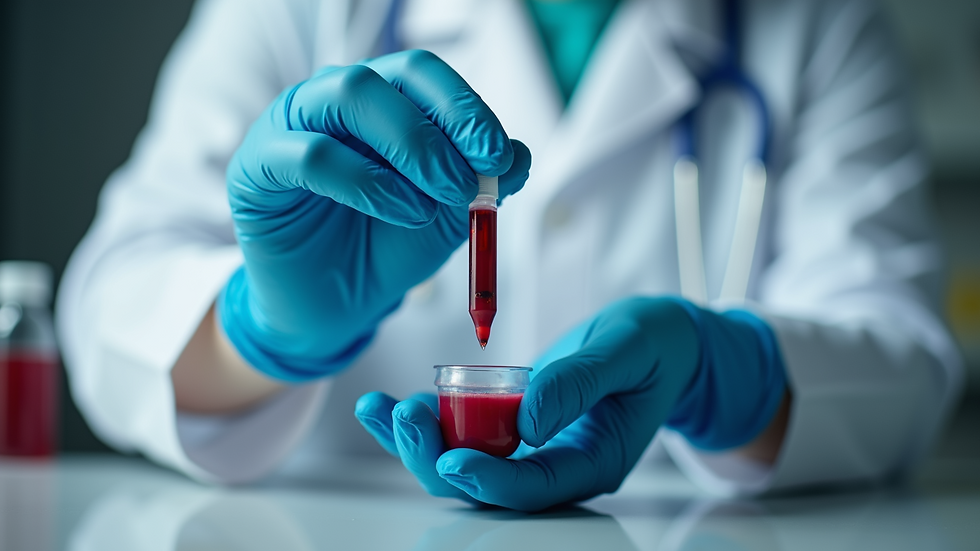
These tests often use data like DNA methylation patterns, blood biomarkers, or physical fitness indicators to calculate your biological age. Some tests require a simple saliva or blood sample sent to a lab, while others use questionnaires and self-reported data.
Why does this matter? Because your biological age can reveal hidden health risks or show how well your lifestyle choices are paying off. For example, if your biological age is younger than your chronological age, it suggests your body is ageing more slowly, which is great news. Conversely, a higher biological age might be a wake-up call to make some changes.
Here’s what you can expect from online biological age tests:
Convenience: Take the test from home or work without a clinic visit.
Personalised insights: Receive tailored feedback based on your results.
Actionable advice: Many services offer coaching or wellness plans to help you improve.

Why Online Biological Age Tests Are Gaining Popularity in the UK
You might be wondering why so many people in the UK are turning to online biological age tests. The answer is simple: we’re all looking for ways to optimise our health in a busy world. High-performing professionals, fitness enthusiasts, and wellness seekers want clear, science-backed information that fits into their hectic schedules.
Online tests offer a flexible, accessible way to get a detailed health snapshot without the hassle of appointments or travel. Plus, with the rise of personalised medicine and wellness, people want more than generic advice. They want data that speaks directly to their unique biology.
Employers are also catching on. Corporate wellness programmes increasingly include biological age testing as part of on-site employee health screenings. It’s a smart move that helps companies support their teams’ well-being and productivity.
Here’s why online biological age tests are a game-changer:
Time-saving: No need to visit a clinic or wait weeks for results.
Empowerment: You get to understand your body better and make informed choices.
Preventative health: Spot potential issues before they become serious.
What is the app that tells you your biological age?
If you’re curious about apps that can tell you your biological age, you’re in luck. Several apps have emerged that combine data from wearables, questionnaires, and sometimes lab results to estimate your biological age. These apps often use algorithms based on scientific research to provide a quick, accessible way to check in on your health.
Some popular apps include:
MyAge by Elysium Health: Uses DNA methylation data to estimate biological age.
Aging.AI: An AI-powered tool that predicts biological age based on blood test results.
Fitbit and Apple Health: While not dedicated biological age apps, they track health metrics that can give you clues about your ageing process.
Keep in mind, apps can be a great starting point, but they may not replace the accuracy of clinical tests. For the most reliable results, consider combining app data with professional testing.
How to Choose the Right Biological Age Test Online
With so many options out there, picking the right biological age test online can feel overwhelming. Here’s how to cut through the noise and find a test that works for you:
Look for clinical backing: Choose tests supported by scientific research and validated by healthcare professionals.
Check what markers are tested: Some tests focus on DNA, others on blood biomarkers or physical fitness. Pick one that aligns with your health goals.
Consider convenience: Do you want a fully at-home test, or are you okay with visiting a clinic for sample collection?
Review data privacy: Make sure your personal health data is protected and won’t be shared without your consent.
Evaluate support options: Does the service offer coaching or follow-up advice to help you act on your results?
Remember, a good test is just the start. The real value comes from using the insights to make positive changes.
Taking Action: What to Do After Your Biological Age Test
So, you’ve taken your biological age test online and received your results. What now? This is where the journey really begins.
If your biological age is higher than expected, don’t panic. Instead, see it as a powerful motivator. Here are some practical steps to take:
Review your lifestyle: Are you getting enough sleep? Eating a balanced diet? Managing stress effectively?
Get moving: Regular exercise is one of the best ways to slow ageing and improve overall health.
Consult a professional: A health coach or clinician can help you interpret your results and create a personalised plan.
Track progress: Consider retesting after a few months to see how your changes are impacting your biological age.
If your biological age is younger than your chronological age, congratulations! Keep up the good work and continue prioritising your health.
Remember, biological age testing is a tool - not a diagnosis. Use it to guide your wellness journey with confidence.
Ready to take control of your health? Explore a trusted biological age test online and start your personalised wellness journey today.


Comments